Call 2-1-1 for local resources · Life-threatening emergencies: 9-1-1
Back to education guides

Substance education guide

Cyclorphine

Ultra-potent synthetic opioid · Unregulated research chemical

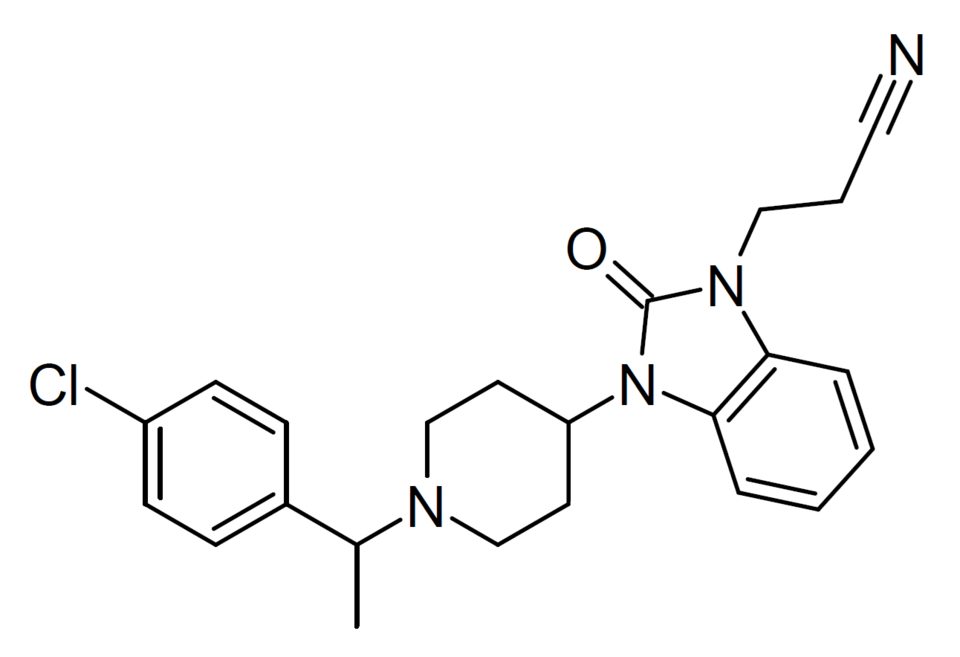
Chemical structure of CyclorphineChemical structure
Image: Meodipt (talk) · Public domain · Wikimedia Commons. Appearance varies; illicit products may look different or be counterfeit.

01 · How it works

Classification and primary mechanism

Cyclorphine is an ultra-potent synthetic opioid and benzimidazolone/morphinan-adjacent chemical analog. It acts as a full, high-affinity agonist at the mu-opioid receptor. Its extremely tight binding and slow dissociation can make clinical reversal difficult once systemic toxicity begins.

02 · Immediate effects

Recognize the effects

Signs of Use

  • Pinpoint pupils and sudden heavy sedation
  • Nodding out, mental incoherence, or delayed responses
  • Slow, shallow, irregular, or absent breathing
  • Blue or gray lips, fingertips, or skin
  • Unresponsive collapse or chest-wall rigidity

Short Term

  • Rapid analgesia, warmth, and blunted emotion
  • Marked somnolence and reduced pulse rate
  • Shallow breathing and reduced intestinal movement
  • Sudden loss of consciousness and unarousable stupor
  • Respiratory arrest, wooden chest, cyanosis, and death within minutes

Long Term

  • Opioid use disorder and escalating overdose risk
  • Tolerance and severe physical dependence
  • Withdrawal with pain, diarrhea, vomiting, sweating, and agitation
  • Hypoxic brain injury after a nonfatal overdose
  • Infectious and medical harms from adulterated or injected products

03 · Long-term consequences

Respiratory arrest and reversal difficulty

Cyclorphine is an unregulated research chemical with no accepted therapeutic dose. Its extreme potency, unpredictable distribution in street drugs, and prolonged receptor binding create a high risk of fatal respiratory depression. Naloxone may require repeated doses and extended observation; recurrent toxicity can occur after initial improvement.

Medical emergency

Identifying an emergency

Call 911 immediately for slowed or absent breathing, blue or gray skin, pinpoint pupils with unresponsiveness, chest-wall rigidity, collapse, or suspected exposure. Give naloxone if available, provide rescue breathing or CPR when needed, and continue monitoring because breathing can stop again.

Give naloxone, call 911, provide rescue breathing or CPR, and do not leave the person alone
Back to education guides