Call 2-1-1 for local resources · Life-threatening emergencies: 9-1-1
Back to education guides

Substance education guide

Duster (Difluoroethane / Aerosol Inhalants)

Halogenated hydrocarbon · Aerosol propellant · Volatile inhalant

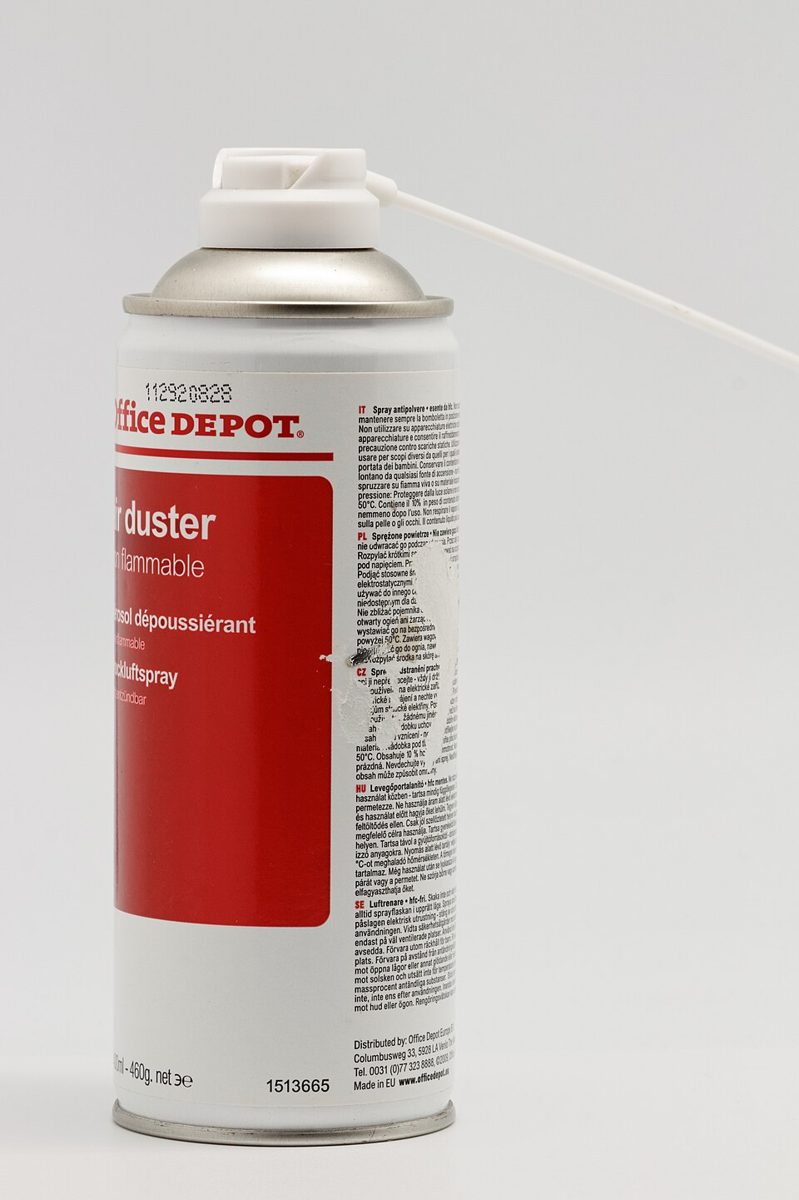
Representative photo of Duster (Difluoroethane / Aerosol Inhalants)What it looks like
Image: Coyau · CC BY-SA 3.0 · Wikimedia Commons. Appearance varies; illicit products may look different or be counterfeit.

01 · How it works

Classification and primary mechanism

1,1-Difluoroethane dissolves across pulmonary membranes directly into arterial blood and crosses the blood-brain barrier within seconds. It enhances inhibitory GABA-A signaling and antagonizes NMDA glutamate receptors. Concentrated gas can displace alveolar oxygen, causing acute systemic hypoxia, while halogenated hydrocarbons sensitize the myocardium to adrenaline.

02 · Immediate effects

Recognize the effects

Signs of Use

  • Frostbite around lips, nostrils, or chin
  • Sweet chemical odor or aerosol residue
  • Frosted cans, punctured containers, or chemical-soaked cloth
  • Dizziness, slurred speech, and facial freezing
  • Severe ataxia, confusion, or sensory blackout
  • Sudden collapse, seizure, or blue-gray skin

Short Term

  • Transient inhalation: intense dizziness, acoustic distortion, hallucinations, and disinhibition
  • Loss of coordination, slurred speech, and frostbite from expanding propellant gas
  • Repeated huffing: confusion, emotional volatility, and loss of situational awareness
  • Severe ataxia, nausea, vomiting, blood-pressure drops, and acute hypoxia
  • Stupor, respiratory depression, arrhythmia, or sudden cardiac arrest

Long Term

  • Toxic leukoencephalopathy and cognitive decline
  • Chronic cerebellar dysfunction and sensorimotor neuropathy
  • Dilated cardiomyopathy and persistent cardiac injury
  • Liver and kidney impairment
  • Psychological dependence and recurrent accidental trauma

03 · Long-term consequences

Cardiac sensitization and hypoxia

Duster is legally manufactured for electronics cleaning and aerosol sprays, but inhaling it can cause acute oxygen deprivation, airway injury, frostbite, fatal arrhythmia, and sudden sniffing death. There is no safe way to inhale these products.

Medical emergency

Identifying an emergency

Call 911 immediately for collapse, seizure, blue or gray lips, gasping, severe confusion, chest pain, or no pulse. Move the person away from the source only if safe, provide fresh air, begin CPR and use an AED for cardiac arrest, and do not leave them alone.

Never induce exertion or startle the person; do not use epinephrine unless directed by emergency professionals
Back to education guides