Call 2-1-1 for local resources · Life-threatening emergencies: 9-1-1
Back to education guides

Substance education guide

Fentanyl (Synthetic Opioid)

Synthetic phenylpiperidine opioid · Schedule II narcotic analgesic

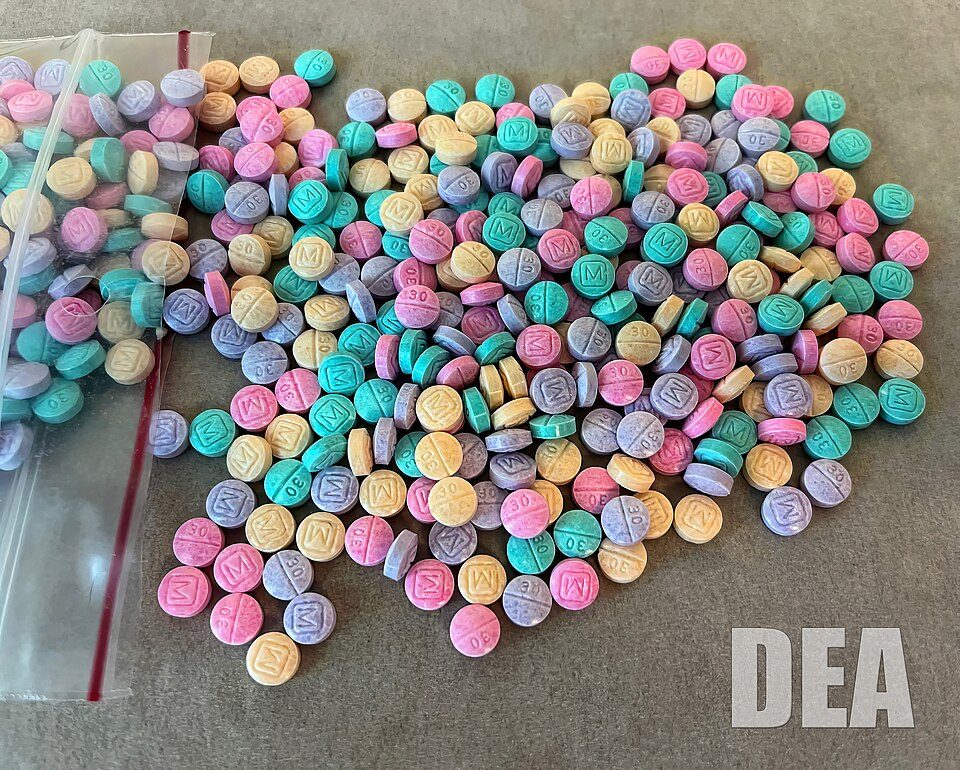
Representative photo of Fentanyl (Synthetic Opioid)What it looks like
Image: Drug Enforcement Administration (DEA) · Public domain · Wikimedia Commons. Appearance varies; illicit products may look different or be counterfeit.

01 · How it works

Classification and primary mechanism

Fentanyl is a potent, selective full agonist at mu-opioid receptors. It is roughly 50 to 100 times more potent than pharmaceutical morphine and crosses the blood-brain barrier rapidly, producing analgesia, sedation, and respiratory depression.

02 · Immediate effects

Recognize the effects

Signs of Use

  • Pinpoint pupils and heavy nodding
  • Slow, shallow, irregular, or absent breathing
  • Unable to speak, walk, or stay awake
  • Blue or gray lips, fingertips, or skin
  • Gurgling, choking, or limp unresponsiveness

Short Term

  • Rapid analgesia, warmth, and emotional detachment
  • Heavy sedation, miosis, dry mouth, and flushing
  • Confusion, slurred speech, nausea, and stupor
  • Blunted airway reflexes and slowed heart rate
  • Severe overdose: wooden chest, cyanosis, respiratory arrest, and brain injury

Long Term

  • Rapid tolerance and severe physical dependence
  • Opioid use disorder and escalating overdose risk
  • Withdrawal with pain, diarrhea, vomiting, sweating, and agitation
  • Hypoxic brain injury after a nonfatal overdose
  • Infectious and medical harms from adulterated or injected products

03 · Long-term consequences

Respiratory arrest and counterfeit pills

Medical fentanyl is used for severe cancer pain, transdermal delivery, and monitored anesthesia. Illicitly manufactured fentanyl dominates the unregulated opioid supply and may be hidden in powders or counterfeit pills. Naloxone may require repeated doses and extended observation because recurrent toxicity can occur.

Medical emergency

Identifying an emergency

Call 911 immediately. Give naloxone if available, provide rescue breathing or CPR when needed, and continue monitoring. Place the person on their side if breathing but unconscious, and do not leave them alone.

If there is no normal breathing, give naloxone and start rescue breathing or CPR immediately
Back to education guides