Call 2-1-1 for local resources · Life-threatening emergencies: 9-1-1
Back to education guides

Substance education guide

Gabapentin (Neurontin)

Gabapentinoid · Alpha-2-delta calcium-channel ligand · Prescription neuromodulator

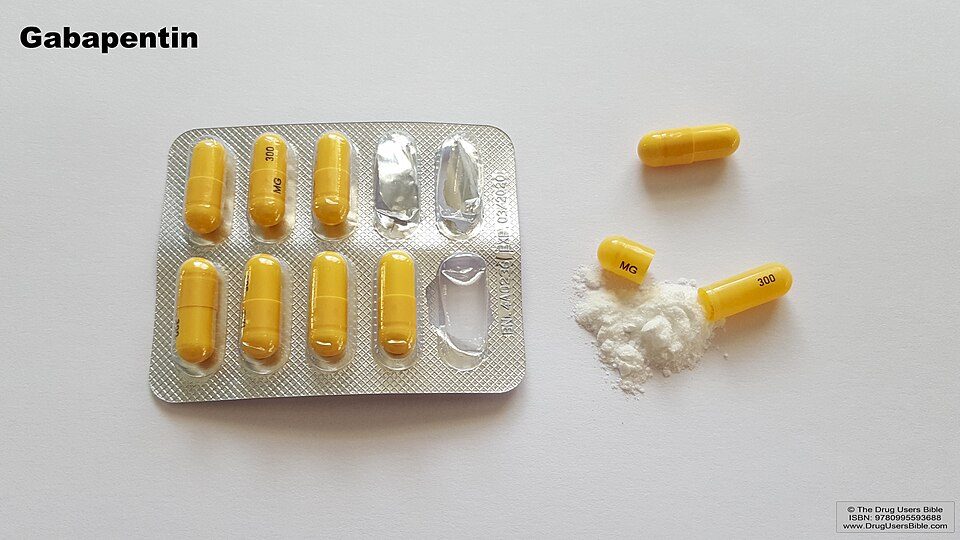
Representative photo of Gabapentin (Neurontin)What it looks like
Image: The Drug Users Bible · CC BY 2.0 · Wikimedia Commons. Appearance varies; illicit products may look different or be counterfeit.

01 · How it works

Classification and primary mechanism

Gabapentin is a synthetic alkylated GABA analog, but it does not activate GABA-A or GABA-B receptors. Instead, it binds the alpha-2-delta-1 auxiliary subunit of presynaptic voltage-gated calcium channels, reducing calcium influx and the release of excitatory neurotransmitters including glutamate, calcitonin gene-related peptide, and substance P. Its intestinal absorption is saturable, so bioavailability falls as oral doses increase.

02 · Immediate effects

Recognize the effects

Signs of Use

  • Drowsiness, dizziness, and slowed thinking
  • Poor coordination, unsteady gait, or slurred speech
  • Blurred or double vision and unusual eye movements
  • Relaxation, sedation, or impaired judgment
  • Nausea, swelling in the legs, or involuntary movements

Short Term

  • Sedation and reduced alertness
  • Dizziness, ataxia, and impaired motor control
  • Blurred vision, tremor, or nystagmus
  • Confusion or memory problems at higher exposure
  • Greater respiratory-depression risk when combined with opioids, alcohol, or benzodiazepines

Long Term

  • Physical dependence and withdrawal after regular use
  • Tolerance and escalating misuse
  • Sleep, mood, and concentration problems
  • Falls, accidents, and impaired daily functioning
  • Worsened respiratory risk when combined with other depressants

03 · Long-term consequences

Respiratory depression and withdrawal

Gabapentin is FDA-approved for post-herpetic neuralgia and adjunctive treatment of partial-onset seizures, with additional off-label uses. Abruptly stopping regular high-dose use can cause anxiety, insomnia, sweating, nausea, pain, and seizures in vulnerable people; tapering should be guided by a clinician.

Medical emergency

Identifying an emergency

Call 911 for slow or shallow breathing, blue or gray lips, inability to wake, severe confusion, seizure, or collapse—especially after gabapentin was combined with an opioid, alcohol, or another sedative.

Never combine gabapentin with opioids or other sedatives without medical guidance
Back to education guides