Call 2-1-1 for local resources · Life-threatening emergencies: 9-1-1
Back to education guides

Substance education guide

Heroin (Diacetylmorphine)

Semi-synthetic morphinan opioid · Schedule I central nervous system depressant

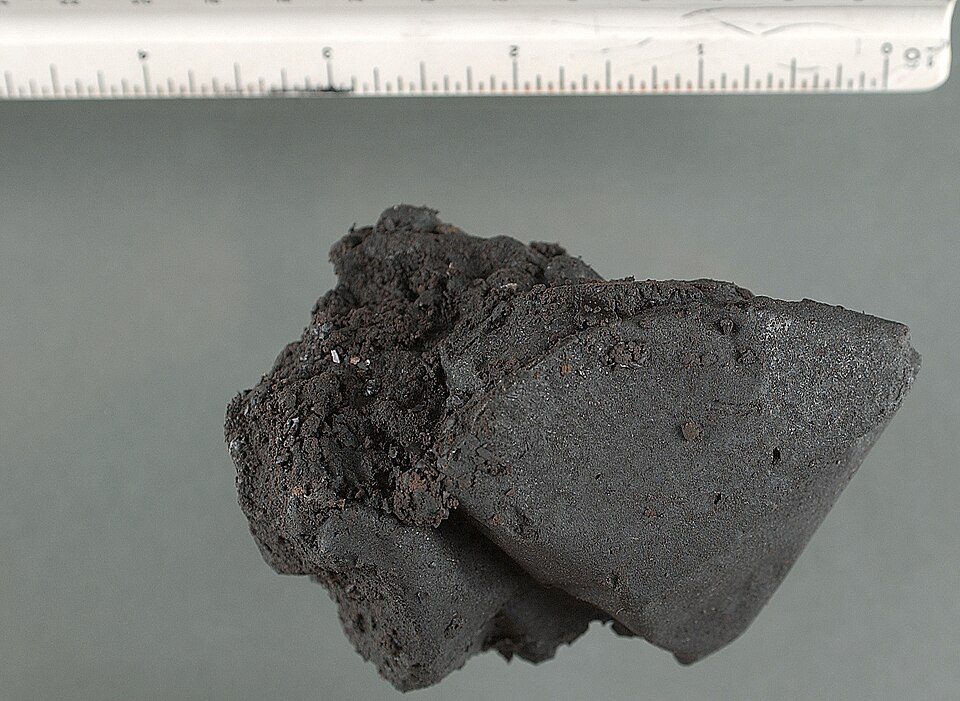
Representative photo of Heroin (Diacetylmorphine)What it looks like
Image: Public domain · Wikimedia Commons. Appearance varies; illicit products may look different or be counterfeit.

01 · How it works

Classification and primary mechanism

Heroin is rapidly deacetylated in the body into 6-monoacetylmorphine (6-MAM) and morphine, which bind with high affinity to mu-opioid receptors. This binding inhibits the release of GABA, disinhibiting dopaminergic neurons in the mesolimbic system and causing an intense analgesic and euphoric surge. Its two added acetyl groups make diacetylmorphine significantly more lipophilic than natural morphine, allowing it to cross the blood-brain barrier within seconds to produce the characteristic rapid opioid "rush."

02 · Immediate effects

Recognize the effects

Signs of Use

  • Pinpoint pupils (pupillary miosis)
  • Facial itching, warm flushing, and heavy dry mouth
  • Drifting between wakefulness and drowsiness ("on the nod")
  • Heavy limbs and slowed, shallow breathing
  • Blue lips or nails, cold clammy skin, or unresponsiveness

Short Term

  • Low to moderate: intense initial rush of euphoria, emotional blunting, and relief from physical and mental distress
  • Low to moderate: pinpoint pupils, facial itching from histamine release, warm flushing, and dry mouth
  • Moderate to high: mental clouding and alternating wakefulness and drowsiness ("on the nod")
  • Moderate to high: heavy limbs, slowed and shallow respiration, blunted cough reflex, and slowed heart rate
  • Severe toxicity: complete unresponsiveness and stupor; cannot be aroused by pain
  • Severe toxicity: respiratory arrest (fewer than 6 breaths per minute), cyanosis, and cold clammy skin

Long Term

  • Severe physical dependence; abrupt cessation triggers agonizing withdrawal (chills, muscle spasms, vomiting, diarrhea, acute pain)
  • Hepatitis C (HCV) and HIV transmission through shared injection equipment
  • Infective endocarditis (heart-valve destruction) from non-sterile injection
  • Osteomyelitis (bone infections) and septic pulmonary emboli
  • Severe chronic constipation, fecal impaction, bowel obstruction, and possible perforation

03 · Long-term consequences

Dangerous polydrug interactions

Benzodiazepines (alprazolam, bromazolam) are the most common fatal combination, eliminating the body’s autonomic reflex to breathe when oxygen levels drop. Alcohol directly compounds brainstem depression, accelerating fatal respiratory arrest and choking on vomit. Veterinary sedatives (xylazine, medetomidine) produce extreme, unmanageable sedation, severe bradycardia, and extensive necrotic skin ulcers. Cocaine and other stimulants ("speedball") briefly mask depressant signs, leading people to miscalculate opioid levels; once the stimulant wears off, sudden respiratory collapse follows.

Medical emergency

Identifying an emergency

Watch for the classic opioid overdose triad: pinpoint pupils; unconsciousness or deep stupor; and slow, shallow, agonal breathing (gurgling or snoring sounds) or no breathing at all. Call 911 immediately. Open the airway and give one rescue breath every 5 seconds to prevent brain damage from oxygen deprivation. Once effective breathing returns, place the person in the recovery position.

Give naloxone (Narcan): one full dose intranasally. If normal breathing does not return within 2 to 3 minutes, give another dose in the other nostril.
Back to education guides