Call 2-1-1 for local resources · Life-threatening emergencies: 9-1-1
Back to education guides

Substance education guide

Methadone

Synthetic diphenylheptane opioid · Full mu-opioid agonist · NMDA antagonist

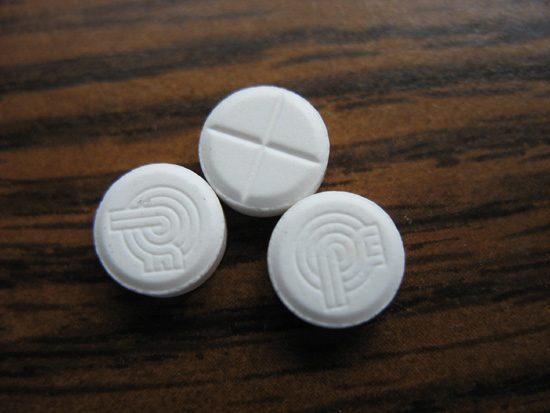
Representative photo of MethadoneWhat it looks like
Image: Josumiselunico · CC BY-SA 4.0 · Wikimedia Commons. Appearance varies; illicit products may look different or be counterfeit.

01 · How it works

Classification and primary mechanism

Methadone is a synthetic diphenylheptane opioid and full mu-opioid receptor agonist. It also acts as a non-competitive NMDA receptor antagonist, supporting analgesia and slowing some tolerance mechanisms. Its high tissue binding and variable 24 to 36 hour elimination half-life—sometimes extending to 60 hours—mean respiratory depression and accumulation can outlast subjective pain relief.

02 · Immediate effects

Recognize the effects

Signs of Use

  • Stable therapeutic dosing may preserve clear consciousness and reduce opioid cravings
  • Non-tolerant or high exposure: nodding, confusion, slurred speech, and pinpoint pupils
  • Nausea, warm facial flushing, constipation, or urinary retention
  • Slow, shallow, irregular, or absent breathing
  • Blue or gray lips, cold clammy skin, pulmonary edema, or unresponsiveness

Short Term

  • Therapeutic maintenance: emotional stabilization, reduced cravings, and stable function
  • Non-tolerant or high exposure: sedation, mental clouding, miosis, nausea, flushing, and constipation
  • Accumulation may produce delayed sedation and respiratory depression over several days
  • Severe overdose: stupor, cyanosis, pulmonary edema, bradycardia, and respiratory arrest
  • Long subjective pain relief does not reliably indicate that respiratory risk has ended

Long Term

  • Physical dependence and opioid use disorder outside regulated treatment
  • Tolerance and withdrawal when stopped abruptly
  • Chronic constipation, hormonal effects, and sleep-disordered breathing
  • Cardiac conduction changes and QT prolongation in susceptible people
  • Hypoxic brain injury or death after delayed overdose

03 · Long-term consequences

Long half-life and delayed overdose

Methadone is an FDA-approved Schedule II medication used in regulated Opioid Treatment Programs and for severe intractable pain. Liquid concentrates, dispersible tablets, and oral wafers can be confused with other medications. Because elimination is prolonged and variable, accumulation, medication interactions, and dose stacking can cause unexpected respiratory arrest.

Medical emergency

Identifying an emergency

Call 911 immediately for unresponsiveness, slow or absent breathing, blue or gray skin, severe sedation, gurgling, collapse, or suspected pulmonary edema. Give naloxone if available, provide rescue breathing or CPR when needed, place the person on their side if breathing but unconscious, and continue monitoring because repeated naloxone doses and extended observation may be necessary.

Give naloxone and call 911; methadone toxicity can recur after initial improvement
Back to education guides