Call 2-1-1 for local resources · Life-threatening emergencies: 9-1-1
Back to education guides

Substance education guide

Oxycodone

Semi-synthetic morphinan opioid · Full μ-opioid receptor agonist · Schedule II narcotic analgesic

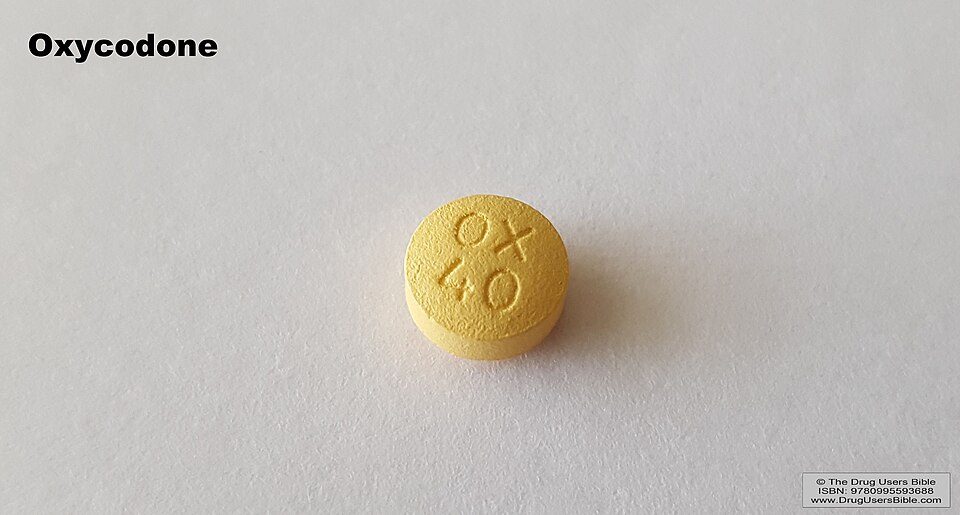
Representative photo of OxycodoneWhat it looks like
Image: The Drug Users Bible · CC BY 2.0 · Wikimedia Commons. Appearance varies; illicit products may look different or be counterfeit.

01 · How it works

Classification and primary mechanism

Oxycodone activates μ-opioid receptors, with secondary activity at κ and δ receptors. This inhibitory signaling reduces neurotransmitter release and pain transmission in the spinal cord, while also depressing brainstem respiratory drive. Its oral bioavailability is approximately 60% to 87%, making oral doses relatively predictable and potent compared with morphine.

02 · Immediate effects

Recognize the effects

Signs of Use

  • Pinpoint pupils, heavy eyelids, or nodding off
  • Slowed speech, mental clouding, and poor coordination
  • Facial itching, flushing, dry mouth, nausea, or vomiting
  • Slowed heart rate, reduced bowel movement, and constipation
  • Unusual sleepiness or difficulty staying awake

Short Term

  • Therapeutic exposure: pain relief, mild calming, reduced anxiety, and relaxation
  • High or misuse exposure: pronounced euphoria, mental clouding, and heavy limbs
  • Physiologic effects: miosis, itching, nausea, slowed digestion, and low blood pressure
  • Severe toxicity: stupor, unresponsiveness, coma, and respiratory depression
  • Risk increases sharply when combined with alcohol, benzodiazepines, or other sedatives

Long Term

  • Tolerance, physical dependence, craving, and opioid use disorder
  • Opioid-induced hyperalgesia and worsening pain sensitivity
  • Chronic constipation, bowel dysfunction, and hormonal suppression
  • Depression, sleep disruption, and impaired cognition
  • High relapse and overdose risk after tolerance falls

03 · Long-term consequences

Respiratory depression and counterfeit pills

Oxycodone can suppress breathing even when prescribed, especially when doses are increased or combined with alcohol, benzodiazepines, or other central nervous system depressants. Illicit tablets make potency and contamination impossible to predict.

Medical emergency

Identifying an emergency

Slow, shallow, irregular, or stopped breathing; pinpoint pupils; blue or gray lips; gurgling; or an unresponsive person may indicate opioid overdose. Call 911, administer naloxone immediately, provide rescue breathing or CPR if trained, and stay with the person. Repeat naloxone as directed if breathing does not improve.

Emergency: Give naloxone and call 911—multiple doses may be needed for fentanyl or nitazene exposure
Back to education guides