Call 2-1-1 for local resources · Life-threatening emergencies: 9-1-1
Back to education guides

Substance education guide

Suboxone

Buprenorphine (Partial Opioid Agonist) + Naloxone (Antagonist)
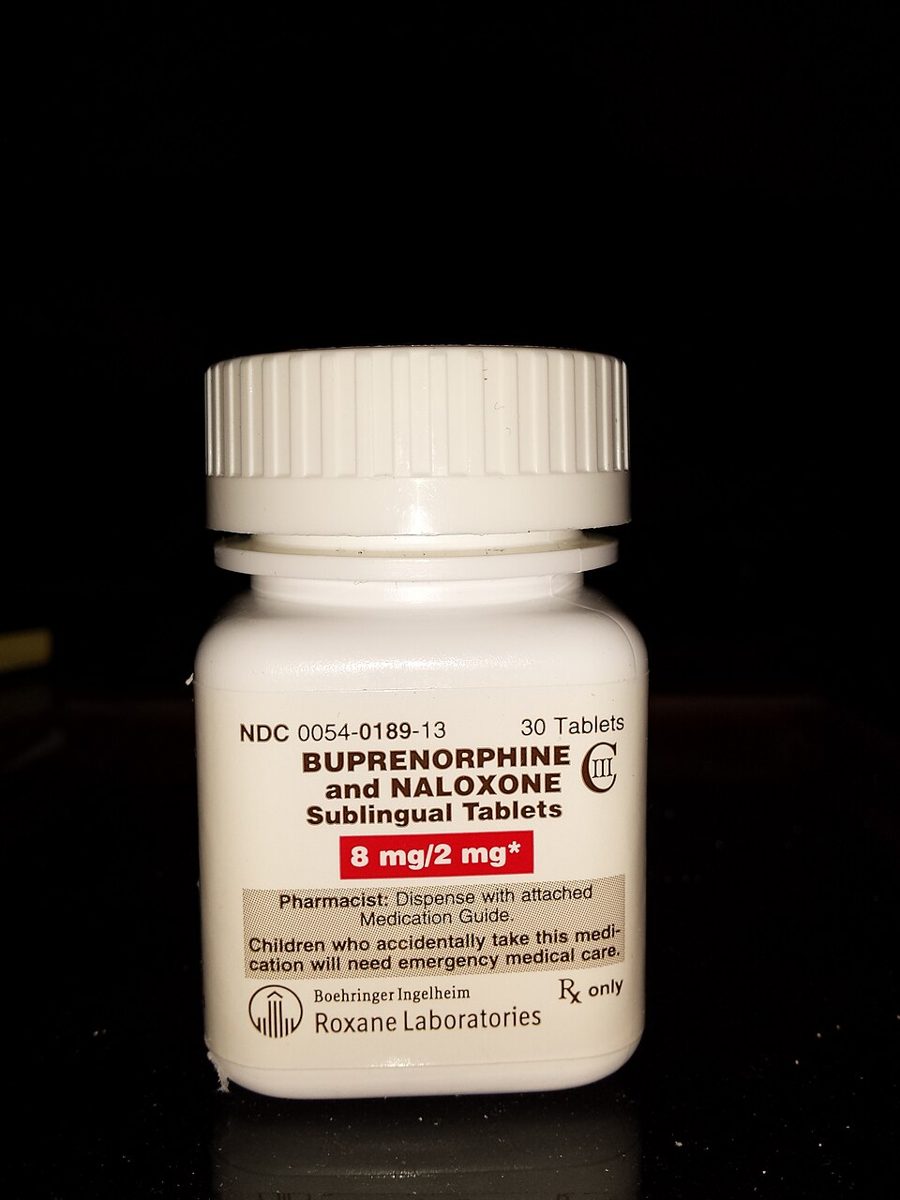
Representative photo of SuboxoneWhat it looks like
Image: Tmeers91 · CC BY-SA 3.0 · Wikimedia Commons. Appearance varies; illicit products may look different or be counterfeit.

01 · How it works

Origins & Mechanism

Suboxone combines buprenorphine, a high-affinity partial mu-opioid agonist, with naloxone to reduce opioid cravings and discourage injection misuse.

02 · Immediate effects

Recognize the effects

Signs of Use

  • Constricted pupils
  • Mild sedation in people without tolerance
  • Improved functioning without withdrawal
  • Dry mouth, sweating, and constipation
  • Reduced opioid cravings

Short Term

  • Suppression of withdrawal and cravings
  • Pain relief
  • Mild euphoria in non-tolerant users
  • Dizziness, nausea, and lightheadedness
  • Mild respiratory depression
  • Reduced gastrointestinal motility

Long Term

  • Physical dependence and prolonged withdrawal
  • Stabilization and harm reduction
  • Dental decay from sublingual exposure
  • Mild hormonal suppression

03 · Long-term consequences

Precipitated withdrawal hazard

If taken while full opioids such as fentanyl or heroin are active, buprenorphine can displace them from receptors and trigger sudden severe withdrawal.

Medical emergency

Identifying an emergency

Coma, pinpoint pupils, or shallow breathing—especially when mixed with sedatives—require 911 and naloxone.

Note: Multiple naloxone doses may be needed
Back to education guides