Call 2-1-1 for local resources · Life-threatening emergencies: 9-1-1
Back to education guides

Substance education guide

Tianeptine ("Gas Station Heroin")

Atypical tricyclic compound · Full mu-opioid receptor agonist · Glutamate modulator · Unapproved by the US FDA

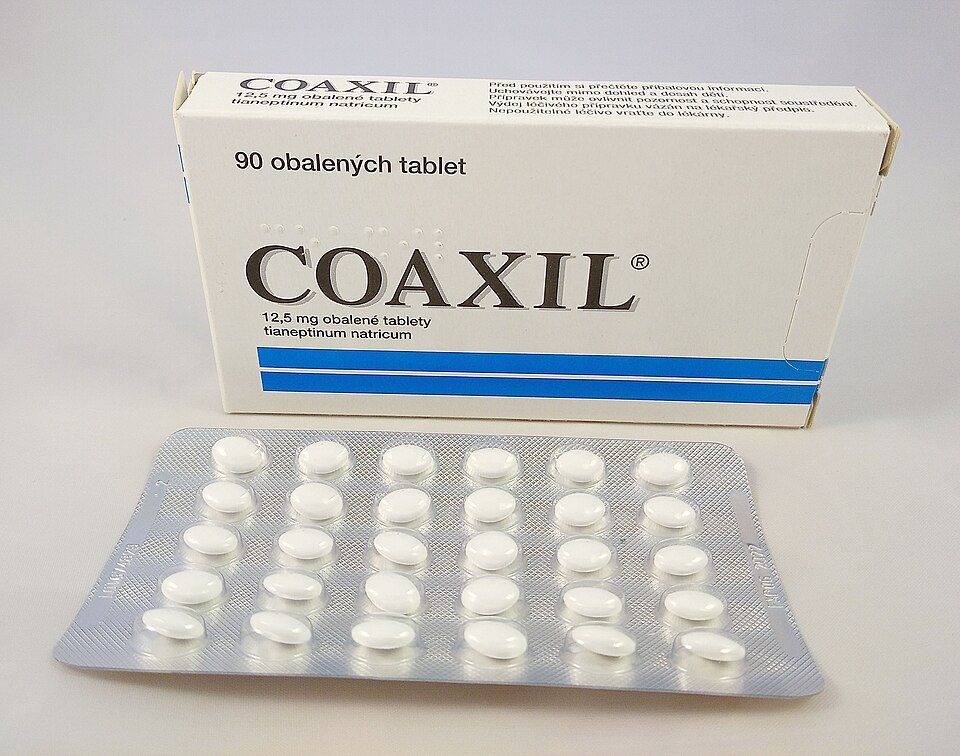
Representative photo of Tianeptine ("Gas Station Heroin")What it looks like
Image: Tomino de WS · CC BY-SA 4.0 · Wikimedia Commons. Appearance varies; illicit products may look different or be counterfeit.

01 · How it works

Classification and primary mechanism

Although historically described as a selective serotonin reuptake enhancer, tianeptine is a full agonist at mu-opioid receptors. At supra-therapeutic doses, this opioid activity dominates, producing euphoria, analgesia, and respiratory depression. It also modulates AMPA and NMDA glutamate receptor phosphorylation in the hippocampus and amygdala. Its short elimination half-life of roughly 2.5 hours can drive rapid, compulsive redosing throughout the day.

02 · Immediate effects

Recognize the effects

Signs of Use

  • Bottles labeled ZaZa, Tianaa, Pegasus, or tianeptine products
  • Short-lived opioid-like rush, euphoria, or analgesia
  • Pinpoint pupils, slowed breathing, drowsiness, or nodding
  • Rapid redosing, cravings, and agitation when a dose is delayed
  • Nausea, vomiting, sweating, tremors, or mental clouding

Short Term

  • Therapeutic exposure: mild mood brightening, modest anxiolysis, and little cognitive blunting
  • High or misuse exposure: intense opioid-like rush, euphoria, mental clouding, and analgesia
  • Physiologic effects: nausea, dry mouth, sweating, dizziness, constipation, and slowed breathing
  • Severe toxicity: stupor, respiratory depression, coma, and loss of consciousness
  • Short duration can create repeated dosing cycles and rapidly changing intoxication and withdrawal

Long Term

  • Rapid tolerance and escalation from milligram doses to multi-gram daily use
  • Severe opioid-like withdrawal with anxiety, sweating, tremors, diarrhea, pain, and insomnia
  • Depression, irritability, cognitive changes, and rebound symptoms between doses
  • Possible cardiac, liver, or kidney injury from high doses or unregulated products
  • Tianeptine use disorder, relapse, and overdose risk, especially with other depressants

03 · Long-term consequences

Unregulated opioid dependence

Because tolerance can develop quickly and products may contain inconsistent amounts or multiple ingredients, tianeptine can shift from a purported cognitive or mood supplement to a high-risk opioid dependence pattern. Abruptly stopping heavy use can produce severe withdrawal; medical support is safer than trying to manage it alone.

Medical emergency

Identifying an emergency

Unresponsiveness, pinpoint pupils, slow or stopped breathing, blue or gray lips, seizures, severe confusion, or an irregular heartbeat require 911. Give naloxone if an opioid overdose is suspected, place the person on their side, and stay with them until help arrives.

Emergency: Naloxone may help reverse opioid-related respiratory depression; multiple doses may be needed
Back to education guides