Call 2-1-1 for local resources · Life-threatening emergencies: 9-1-1
Back to education guides

Substance education guide

Xylazine (Tranq)

Non-opioid alpha-2 adrenergic agonist · Veterinary sedative · Illicit opioid-supply adulterant

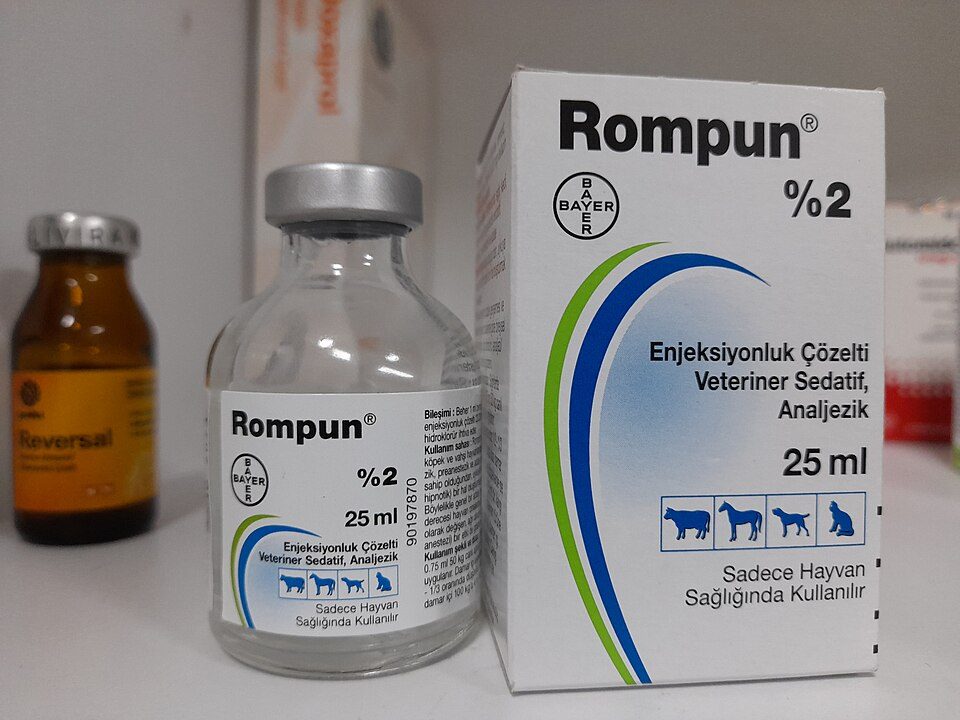
Representative photo of Xylazine (Tranq)What it looks like
Image: Zemxer · CC BY-SA 4.0 · Wikimedia Commons. Appearance varies; illicit products may look different or be counterfeit.

01 · How it works

Classification and primary mechanism

Xylazine is a non-opioid synthetic clonidine analog and central alpha-2 adrenergic receptor agonist. It stimulates presynaptic alpha-2 receptors, especially in the locus coeruleus, suppressing norepinephrine and dopamine release and sharply reducing sympathetic nervous-system outflow. This can cause profound hypotension, severe bradycardia, respiratory depression, and intense peripheral vasoconstriction.

02 · Immediate effects

Recognize the effects

Signs of Use

  • Dry mouth, profound physical heaviness, and mild drowsiness
  • Deep unarousable sleep, slurred speech, and loss of balance
  • Markedly slow heart rate, low blood pressure, and hypothermia
  • Slow, shallow, or absent breathing, especially when opioids are also present
  • Large, slow-healing wounds or abscesses that may occur away from injection sites

Short Term

  • Trace or low exposure: dry mouth, mild drowsiness, heaviness, and mild reductions in blood pressure and heart rate
  • Moderate exposure: deep sedation, slurred speech, ataxia, bradycardia, hypotension, hypothermia, and shallow breathing
  • Severe toxicity: unarousable coma, respiratory arrest, profound bradycardia, and cardiovascular collapse
  • Naloxone does not reverse xylazine itself, but it should be given when opioid exposure is possible
  • Do not leave an unresponsive person alone; call 911 and support breathing

Long Term

  • Severe skin wounds, tissue damage, infection, and possible amputation
  • Unpredictable overdose risk from contaminated fentanyl or heroin
  • Repeated hypoxia and injury after nonfatal respiratory depression
  • Anxiety, sweating, muscle pain, and autonomic symptoms during withdrawal
  • Withdrawal can last weeks to months and requires medical supervision

03 · Long-term consequences

Skin wounds and refractory overdose

Xylazine reduces blood flow to peripheral tissue and can cause serious necrotic wounds. When mixed with fentanyl or heroin, its sedation can conceal opioid respiratory depression and create an overdose that does not fully respond to naloxone.

Medical emergency

Identifying an emergency

If someone is unresponsive, breathing slowly or not at all, or has blue or gray lips, call 911 immediately. Give naloxone if opioids may be present, place the person on their side if breathing, and begin CPR if trained and they are not breathing normally.

Critical: Naloxone may help reverse an accompanying opioid overdose but does not reverse xylazine
Back to education guides